House price in Toronto: practical ways to compare listings and plan your budget
Explore house price in toronto with practical guidance, key questions, and clear next steps before you contact Canada Telugu Classifieds or make a decision.
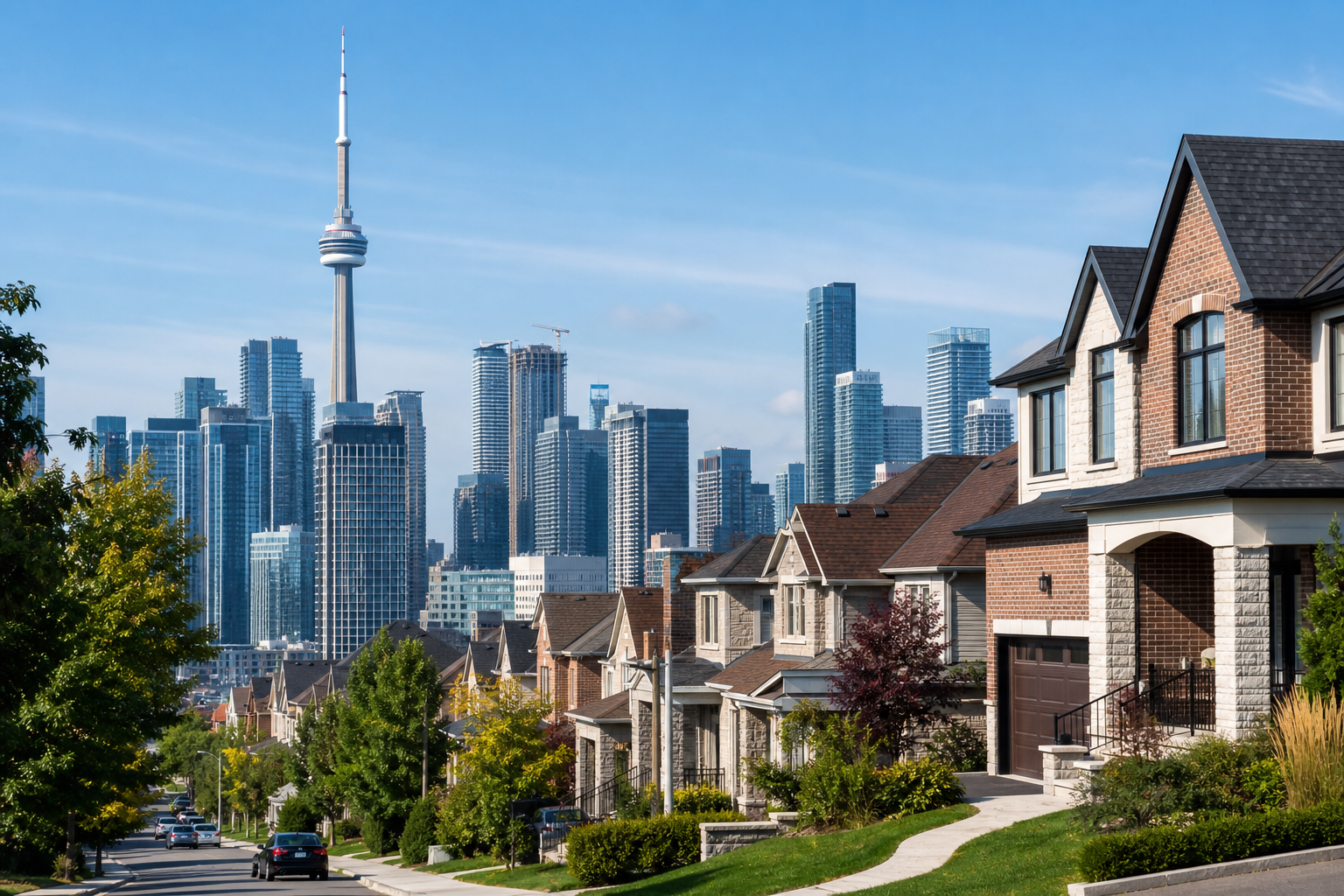
House price in Toronto: practical ways to compare listings and plan your budget
Searching for accurate guidance on house price in Toronto can be overwhelming. Average figures you see online may be outdated by the time you read them, and they rarely reflect the specifics of a single street, building, or house. Instead of chasing headline numbers, use a durable framework that helps you evaluate any listing on its own merits, compare similar homes side by side, and plan your full budget—from deposit to ongoing costs—so you can make clearer decisions.
Key factors that shape pricing
Regardless of when or where you look, these drivers tend to influence what a home lists and sells for. Understanding them helps you read between the lines of any listing.
- Micro-location: Price can vary block by block based on proximity to everyday amenities. Pay attention to walking distance to shops, parks, and transit stops—not just neighbourhood names.
- Type and size: Detachments, semis, townhouses, and condos carry different pricing patterns. Compare by usable interior square footage, number of bedrooms and bathrooms, and functional layout.
- Age and condition: A well-maintained older home can outperform a newer one if critical elements (roof, windows, mechanicals) are recent. Look for evidence of permits for major work.
- Lot characteristics: Frontage, depth, orientation (sunlight), grading, and laneway or driveway access can materially affect value. Check zoning and any right-of-way notes.
- Building specifics (for condos): Monthly fees, reserve fund health, upcoming special assessments, parking and locker availability, and rules that affect rental potential or renovations.
- Renovations and energy efficiency: Quality and recency of kitchens, bathrooms, insulation, windows, HVAC, and smart-home features can shift price relative to comparables.
- Noise and environmental context: Proximity to busy roads, rail lines, commercial activity, or other nuisances can reduce buyer pool and therefore affect price.
- Market mechanics: Even without quoting statistics, it’s useful to note how many similar homes are selling nearby, how long they take to sell, and whether multiple offers are common at the time you search.
How to read a listing price without guesswork
Listing price is a starting point, not an outcome. Use these steps to anchor your understanding to evidence you can verify:
- Define your subject property clearly: Note address, home type, interior size, lot size (for freeholds), bedroom/bath count, parking, and condition. Create a short “snapshot” you can reuse when searching for comparables.
- Pull 3–6 truly comparable listings: Focus within a tight radius and similar property type and size. Aim for homes with close bedroom/bath counts and similar age or renovation level.
- Prioritise recent activity: Properties listed or sold more recently are more reflective than older examples. If you don’t have recent matches, adjust for changes in condition or features rather than assuming broad market shifts.
- Normalise for differences: When a similar home has an extra bathroom, finished basement, or parking, list those deltas and consider how they typically influence buyer demand. Keep adjustments consistent across your set.
- Note time-on-market and price changes: Price reductions, relists, or unusually long marketing periods can indicate mismatches between list price and buyer expectations.
- Look for patterns, not a single number: After normalising, you’ll often see a pricing band rather than a precise figure. The tighter the comparable set, the narrower your band.
Comparing areas without relying on outdated averages
If you’re weighing different parts of the city, avoid broad averages that blur critical differences. Instead:
- Compare like-for-like property types: A condo in one area should be measured against condos of similar age, size, and fees elsewhere—freeholds against freeholds.
- Use amenity parity: If transit access is essential, only compare homes within a similar walk time to major transit stops in each area.
- Include ownership costs: In condos, monthly fees can offset price gaps. For freeholds, factor property taxes and typical maintenance risk for the home’s age.
- Assess renovation burden: A lower-priced home that needs major work may exceed the total cost of a move-in-ready alternative after materials and time.
By controlling for these elements, the comparison becomes more about the total package than a headline list price.
Budgeting beyond the list price
True affordability includes one-time and ongoing costs. Plan these in advance to avoid surprises.
Upfront and one-time items to consider
- Deposit and down payment: Clarify your target range before you view properties so you can evaluate homes realistically.
- Closing costs: Budget for legal fees, title-related costs, and other standard closing items that apply to your situation.
- Moving and immediate setup: Movers, utilities setup, window coverings, small repairs, and essential furniture can add up quickly.
- Immediate renovations: If the home needs work, get multiple quotes for critical items like roof, HVAC, windows, bathrooms, and kitchens before making an offer.
Recurring and ownership costs
- Property taxes and utilities: Request recent tax amounts and typical utility bills if available.
- Condo fees (if applicable): Assess what’s included (heat, water, amenities) and whether parking or lockers are extra.
- Maintenance reserve: Set aside a monthly amount for repairs based on the home’s age and complexity (freehold vs. condo).
- Insurance: Factor home or condo insurance premiums into your monthly picture.
When you compare two homes, run the full ownership picture, not just list prices. The “cheaper” home may cost more each month once fees, taxes, and maintenance are included.
Timing and offer strategy basics
Offer dynamics can influence final sale price. While practices vary with market conditions, these principles remain useful:
- Listing history matters: A property that recently reduced price or relisted may be more flexible than a brand-new listing.
- Comparable evidence strengthens your position: Bring a concise packet of 3–6 comps with normalised adjustments to support your offer range.
- Conditions and clarity: Clear, reasonable timelines for inspections and financing support a smoother process and can appeal to sellers even if your headline number isn’t the highest.
- Prioritise fit over fear of missing out: If a home requires compromises you didn’t plan for, it’s better to pause than to overextend beyond your budget framework.
For regulated financial decisions—including lending terms—consult a qualified mortgage or financial professional. This article is for general information only and is not financial advice.
Data sources and due diligence you can control
Even without quoting market statistics, you can validate the pricing picture of a home by pulling consistent, verifiable information.
- Public listing details: Save PDFs or screenshots of active and recently sold comparables to build your personal reference set.
- Property documents: Review floor plans, status certificates (for condos), zoning notes, and disclosures for red flags that affect value.
- Professional inspections: Qualified inspectors help surface issues that can influence your total cost and bargaining position.
- Contractor estimates: For homes needing work, at least two estimates per major item will stabilise your budget assumptions.
- Neighbourhood walks: Visit at different times of day to assess noise, traffic, and lighting; small details can affect long-term satisfaction and value retention.
Common mistakes to avoid
- Chasing averages: City-wide or monthly averages rarely capture your specific property’s reality. Anchor to local, like-for-like comparables.
- Overvaluing cosmetic upgrades: New paint and staging look great but don’t replace fundamentals like structure, electrical, plumbing, and building envelope health.
- Ignoring ownership math: A lower list price can be offset by higher fees, taxes, or immediate repairs.
- Skipping document reviews: For condos, a quick read of a status certificate summary is not a substitute for a thorough review by a qualified professional.
- Not documenting assumptions: Keep a written log of your comparables, adjustments, and quotes. It prevents bias and helps you revisit decisions with clarity.
A simple checklist you can reuse for any listing
Copy and adapt this for each property you evaluate:
- Property snapshot (address, type, size, beds/baths, parking, condition)
- Micro-location notes (amenities, transit walk time, street noise, orientation)
- Condo specifics (fees, reserve fund cues, parking/locker, rules) or freehold specifics (lot, zoning, recent permits)
- Comparable set (3–6 addresses with dates and key differences)
- Normalised pricing band and rationale
- Immediate and 12–24 month maintenance/renovation items with quotes
- Monthly ownership estimate (taxes, fees, insurance, utilities, maintenance reserve)
- Offer considerations (conditions, timelines, flexibility)
FAQ
How do I know if a listing price is realistic?
Build a set of 3–6 close comparables from the same area and property type, normalise obvious differences (size, parking, renovations), and look for a consistent pricing band. If the listing sits outside that band without clear justification, the ask may be aspirational.
Is it better to focus on list price or total monthly cost?
Total monthly cost. List price can be misleading if condo fees, taxes, or near-term repairs are high. When you compare two homes, include all recurring costs and a maintenance reserve alongside your financing assumptions.
What if I don’t find enough recent comparables?
Widen the radius in small steps, keep property type and size tightly matched, and document each adjustment you make (for an extra bathroom, finished basement, or parking). If your set remains thin, pause rather than stretching beyond evidence.
Do renovations always increase value?
Not always. Quality, permits, and relevance to buyer demand matter more than the raw spend. Essential system upgrades (roof, windows, HVAC) often stabilise value, while purely cosmetic changes may have limited pricing power if fundamentals lag.
How should I think about timing my offer?
Start with listing history, comparable evidence, and your pre-set budget boundaries. If a property has reduced price or relisted, there may be room to negotiate. Align your conditions and timelines to be clear and reasonable. For lending or legal matters, consult qualified professionals.