Homes for sale Scarborough: what to check before you book a viewing
Explore homes for sale scarborough with practical guidance, key questions, and clear next steps before you contact Canada Telugu Classifieds or make a decision.
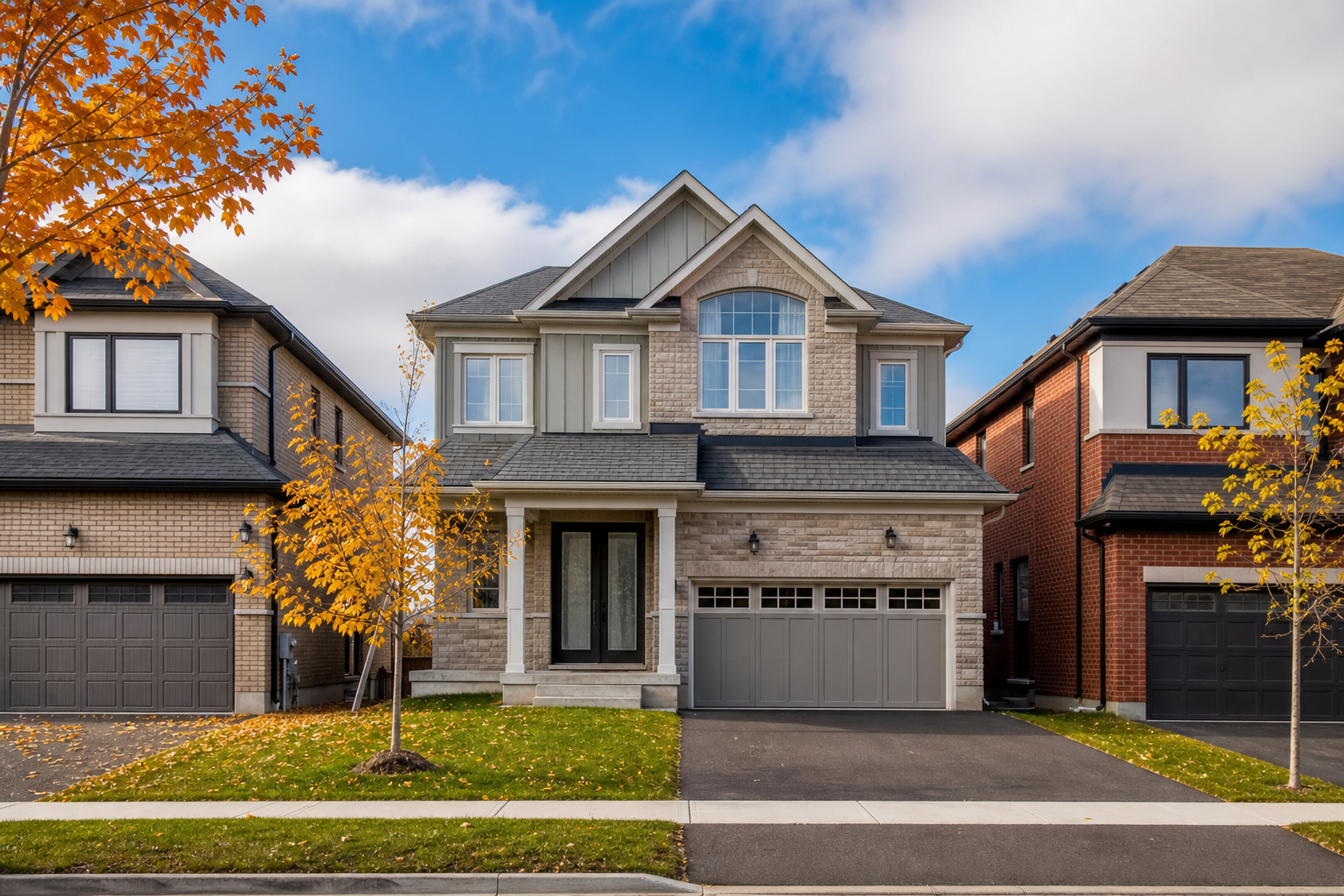
Homes for sale Scarborough: what to check before you book a viewing
If you’re searching for homes for sale Scarborough, the sheer number of listings, property types, and details can feel overwhelming. This practical checklist helps you narrow the field, compare options fairly, and prepare for viewings with confidence. It also outlines key due diligence steps and common questions buyers ask so you can make decisions that fit your budget, timeline, and lifestyle.
How to narrow your search before you start touring
Before scheduling any viewings, get precise about needs versus preferences. A tight brief prevents fatigue and helps you recognise a good fit when you see it.
- Define non‑negotiables: minimum bedrooms and bathrooms, parking type (garage, driveway, none), pet needs, accessibility requirements, outdoor space, and acceptable renovation level (move‑in ready versus light cosmetic work).
- Clarify lifestyle anchors: proximity you prefer to parks, grocery stores, and transit; distance tolerance to work or frequent destinations; and typical noise level you’re comfortable with.
- Budget boundaries: Decide on a comfortable range and a hard ceiling. Factor in a contingency for immediate fixes or furnishings after move‑in. For financial decisions, seek advice from a qualified professional.
- Timing window: Your ideal closing month and flexibility. This will influence how attractive your offer appears to a seller.
- Shortlist property types to explore: freehold detached, semi‑detached, townhouse, or condominium. Each has different maintenance and ownership considerations (more on that below).
Translate your brief into simple search filters so you only see listings that fit. Keep a running spreadsheet that logs each property’s essentials (address, type, size, age, condo fees if applicable, parking, outdoor space) and a quick “fit score” out of 10. This will speed up comparisons when several options start to blur together.
Property type trade‑offs to understand early
Knowing the common trade‑offs among property types will help you prioritise what matters most for your day‑to‑day routine and long‑term comfort.
- Detached: Maximum privacy and flexibility for future changes. Typically higher maintenance responsibility for exterior elements and potentially larger outdoor areas.
- Semi‑detached: Shares one wall with a neighbour, often balancing privacy with relatively lower purchase cost than fully detached options of similar size.
- Townhouse (freehold or condo): Efficient use of space and, in some cases, lower maintenance than a detached home. Condo townhouses usually have monthly fees that cover shared elements; freehold townhouses place more upkeep on the owner.
- Condominium (apartment or stacked): Access to shared amenities and exterior maintenance handled through condo fees. Interior space may be more compact, and rules set by the corporation apply to owners and occupants.
If you’re comparing a condo to a freehold home, list what the monthly condo fee covers versus what a freehold owner would pay out of pocket. Consider seasonal costs, such as snow removal or lawn care, and whether you plan to do the work yourself.
A smart viewing checklist for any property
Use this repeatable checklist to evaluate each home consistently. Bring a flashlight, phone charger, and something to jot notes. Ask for permission before taking photos or videos and be mindful of occupants’ privacy.
- First impressions and layout: Entryway condition, natural light, ceiling height, flow between rooms, and whether furniture placement would work for your needs.
- Floors, walls, and ceilings: Look for uneven floors, large cracks, stains, or patchwork that could suggest previous issues. Small cosmetic flaws are normal; patterns may be worth further investigation.
- Windows and doors: Check for smooth operation, drafts, condensation between panes, and visible damage to frames or weather‑stripping.
- Kitchen and baths: Test taps and drains. Note water pressure and temperature stabilisation. Look under sinks for moisture, stains, or odours. Review appliance ages if available.
- Electrical and lighting: Toggle lights in each room. Observe the number and placement of outlets. Any buzzing, flickering, or warm faceplates should be flagged for a qualified professional.
- Heating, cooling, and ventilation: Note the presence and apparent age of systems (e.g., furnace, AC, baseboard, heat pump). Ask about service history if provided.
- Basement and attic (if accessible): Check for damp smells, visible water lines, efflorescence on foundation walls, signs of pests, or insufficient insulation/ventilation.
- Roofline and exterior: From ground level, scan shingles, gutters, downspouts, grading, and any cracks in exterior surfaces. Observe how water would flow away from the home.
- Parking and storage: Confirm the actual number of parking spaces and any size constraints. Evaluate closet space and any outdoor or locker storage.
- Noise and surroundings: Pause to listen for traffic, mechanical noise, or vibrations inside the unit and common areas.
For a condominium viewing, also:
- Walk common areas to gauge cleanliness and upkeep.
- Locate amenities you expect to use and assess their condition.
- Ask whether any special assessments have been disclosed in listing materials (if provided). For advice on condominium documents or financial health, consult a qualified professional.
A simple comparison framework that keeps you objective
After two or three tours, details blur. Use a weighted scorecard to stay focused on what matters most to you.
- Choose five to seven criteria: example categories include layout, natural light, renovation needs, outdoor space, noise level, monthly carrying costs, and commute preference.
- Assign weightings: total 100%. Put heavier weight on non‑negotiables.
- Score each home: rate 1–10 for each criterion. Multiply by the weight to get a weighted score.
- Track deal‑breakers separately: if a property fails a non‑negotiable (e.g., no parking when you require it), mark it clearly even if the score is high.
This approach reduces decision regret and helps you justify trade‑offs with clear numbers rather than gut feel alone.
Financing readiness and offer basics
Preparing your paperwork early can simplify timelines once you find the right place. Financial decisions should be made with the guidance of a qualified professional.
- Pre‑approval: Obtain a written pre‑approval from a reputable lender so you understand your borrowing capacity and potential monthly payments.
- Down payment and deposit planning: Confirm where funds will come from and how quickly you can provide a deposit if your offer is accepted.
- Offer conditions commonly considered:
- Financing condition (time to finalise your mortgage).
- Home inspection condition (professional evaluation of the property).
- For condos: status certificate review condition (review by a qualified professional).
- Closing date: Align your ideal date with the seller’s flexibility where possible to strengthen your position.
Always read documents carefully and seek advice from qualified real estate, legal, and financial professionals before signing or waiving any conditions. This article is for general information only and is not professional advice.
Due diligence, documents, and costs to keep in view
Due diligence protects you from surprises. Some checks require licensed professionals. Do not rely on a casual walk‑through alone.
- Home inspection: A qualified inspector can identify material issues and maintenance priorities.
- Documentation review: Review available listing documents thoroughly. For condos, a qualified professional can help review the status certificate package.
- Renovations and permits: If you plan changes, consult appropriate professionals to understand feasibility and compliance requirements.
- Utilities and services: Confirm what’s separately metered versus included (especially in condos). Ask for typical usage if it’s been provided.
- Insurance considerations: Speak with an insurance professional about coverage for the specific property type and any special features.
- Closing and ongoing costs: In addition to your purchase price, factor in legal fees, adjustments, moving costs, and routine maintenance. For personalised estimates, consult qualified professionals.
Red flags and when to walk away
Most homes have quirks; the key is distinguishing minor issues from major risks. Treat the following as prompts to investigate further with qualified professionals:
- Persistent moisture smells, staining, or visible mould.
- Large foundation cracks or significant sloping floors.
- Electrical concerns such as frequent flickering or warm outlets.
- Unusually noisy mechanical systems or inconsistent heating/cooling.
- In condos, repeated references to special assessments or major deferred maintenance in building communications (where provided).
If several high‑impact issues emerge and solutions are unclear or costly, it can be prudent to pause, gather professional opinions, and be willing to keep looking.
Planning your move and settling in
Once your offer is accepted and conditions are satisfied, planning early reduces stress.
- Measurements and access: Schedule a visit, if available, to measure key spaces for furniture and appliances.
- Essential bookings: Arrange movers, utility setup, internet, and any immediate cleaning or painting.
- Day‑one toolkit: Prepare a box with basic tools, light bulbs, batteries, and essential toiletries so you’re functional on arrival.
- First‑month checklist: Test smoke/CO alarms, label electrical panels, change filters, and note any maintenance intervals.
FAQs: quick answers for buyers looking at homes in Scarborough
How many homes should I view before making an offer?
There’s no universal number. The goal is to compare enough suitable options to understand realistic trade‑offs in your price range. Use a weighted scorecard so your choice is grounded in consistent criteria rather than momentum from a single showing.
What’s the difference between a freehold home and a condo when budgeting?
With a freehold, you typically pay directly for exterior maintenance and repairs. A condo includes shared responsibilities funded through monthly fees. Compare what condo fees cover against what you’d handle out of pocket in a freehold. For budgeting advice tailored to your situation, consult a qualified financial professional.
Do I need a home inspection if the property looks updated?
Cosmetic upgrades don’t guarantee the condition of structure, wiring, plumbing, or ventilation. A qualified home inspector can help identify material issues that aren’t obvious at a glance.
What documents should I be ready with when I want to place an offer?
Common items include a government‑issued ID, proof of down payment funds, and a recent mortgage pre‑approval letter. Requirements can vary; seek guidance from qualified real estate, legal, and financial professionals.
Are condo amenities worth prioritising?
Amenities can enhance daily life, but unused ones still factor into monthly fees. Prioritise features you genuinely expect to use. For insight into a building’s financial health or any planned projects, consult qualified professionals to review relevant documents when available.